melissadrummond
Western Australian freelance photographer. Documentary, environmental portraits & photo essays. Digital and analogue. From the desert to the sea.

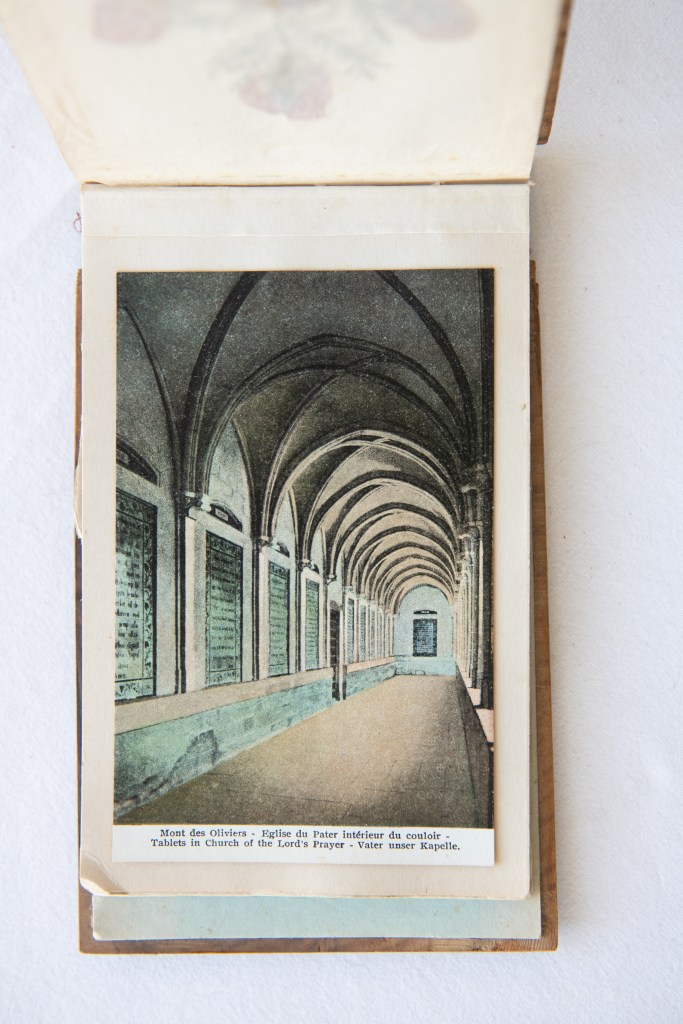
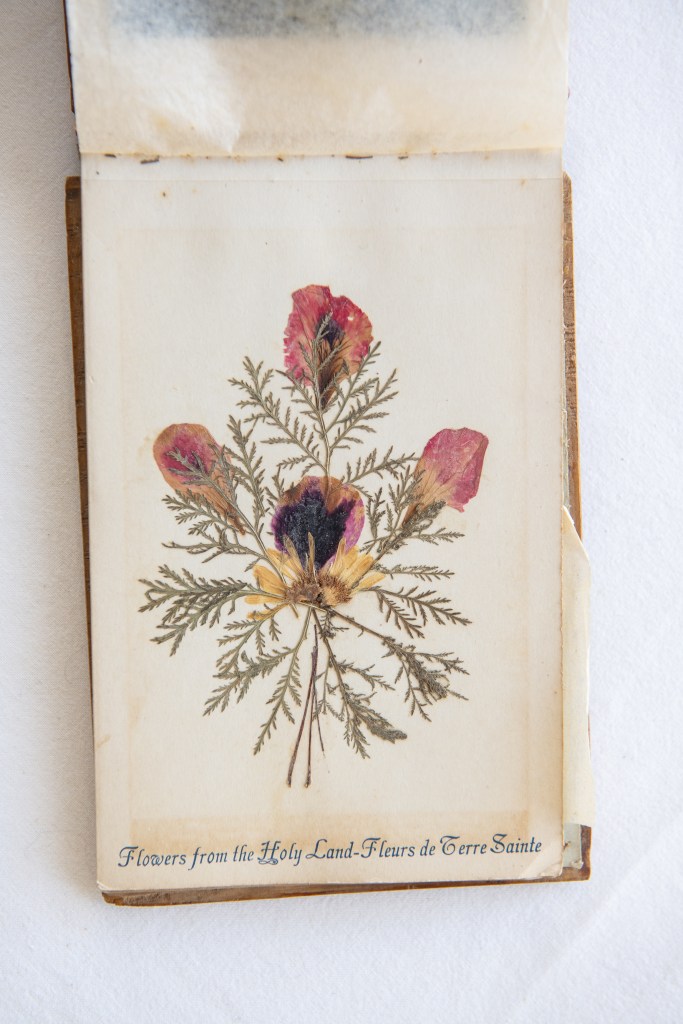
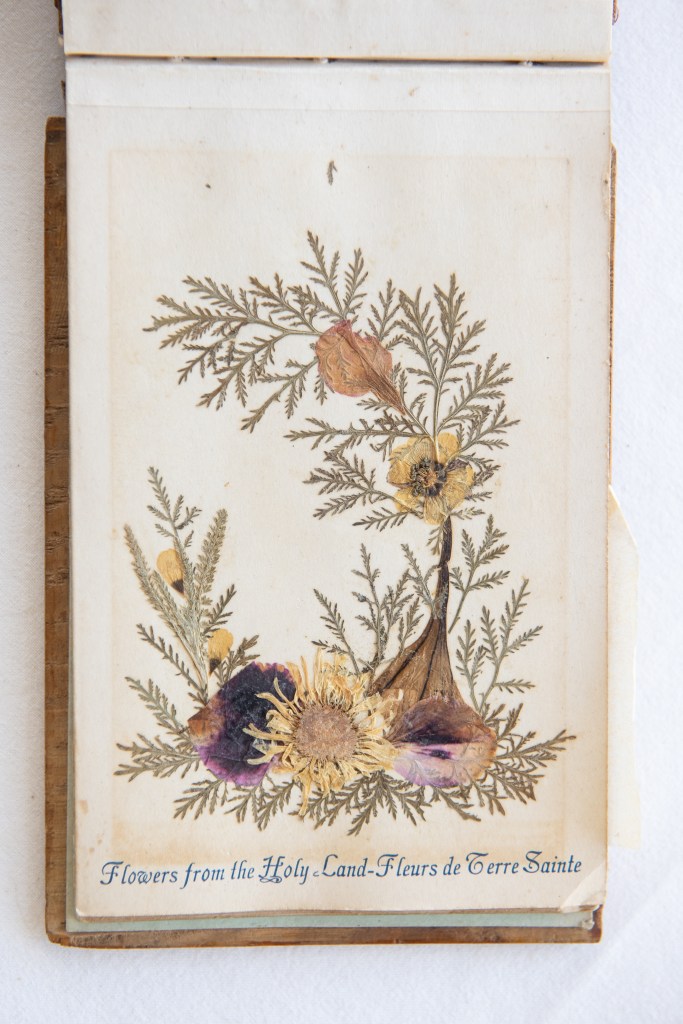
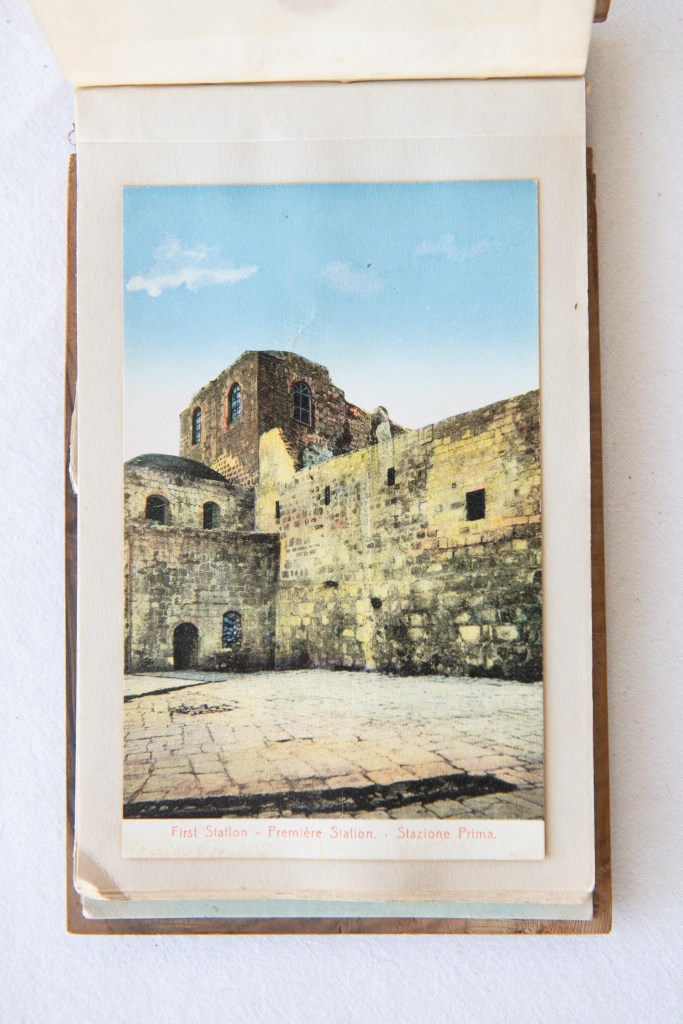
Flowers and Views of the Holy Land
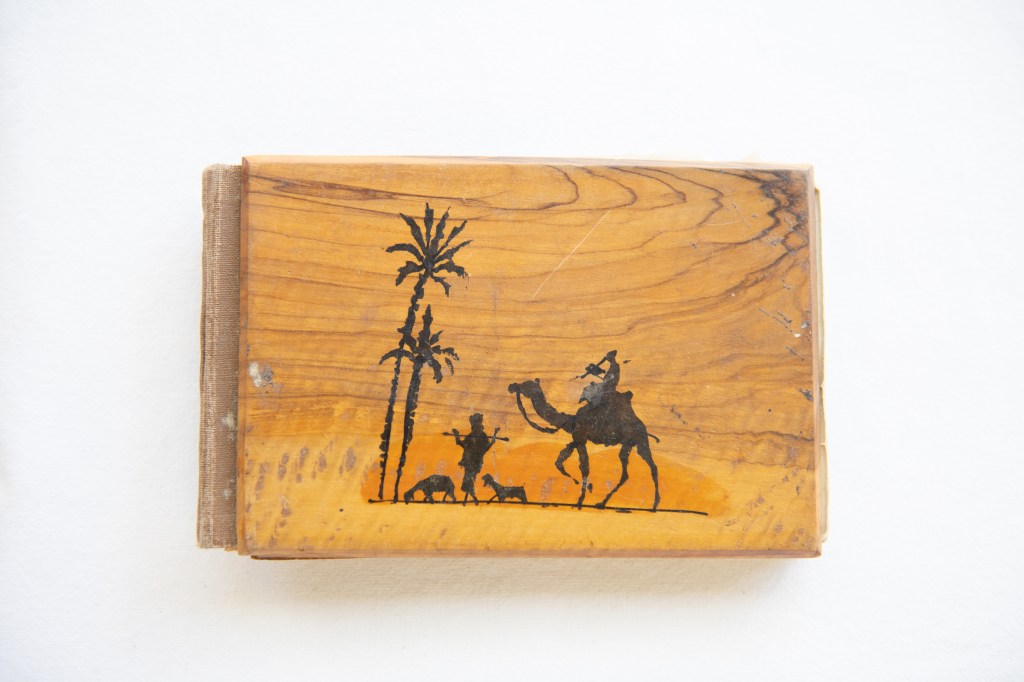
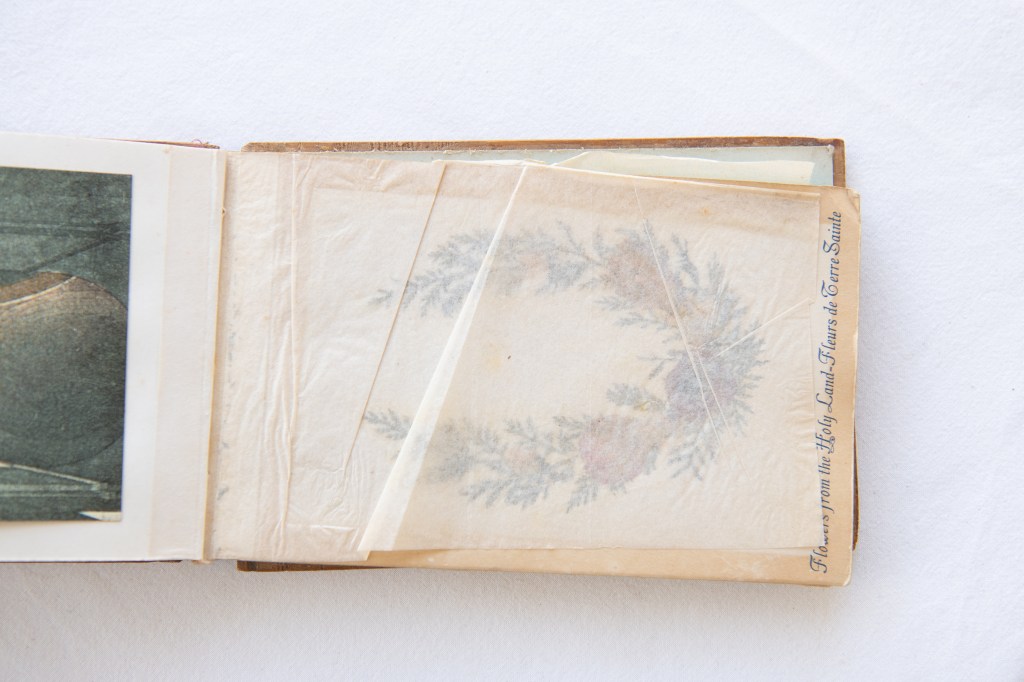
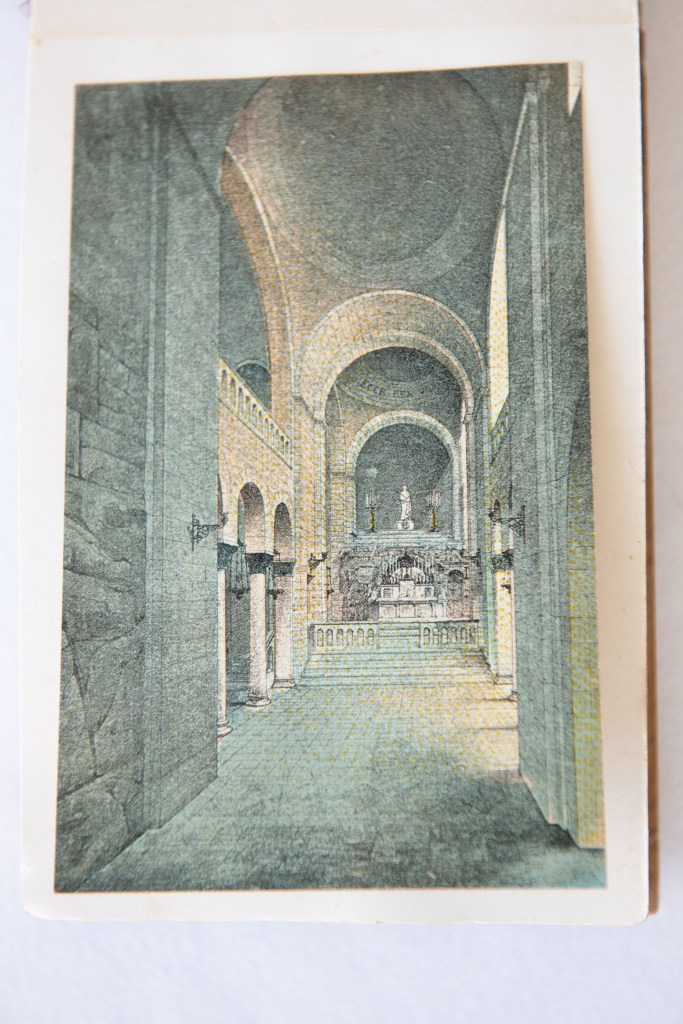
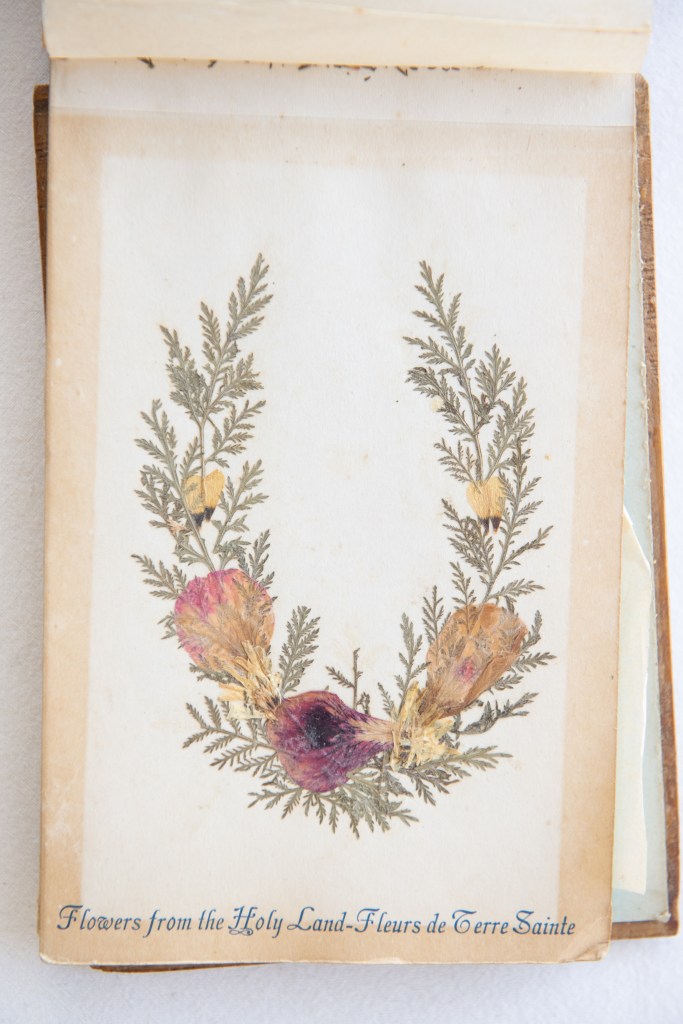
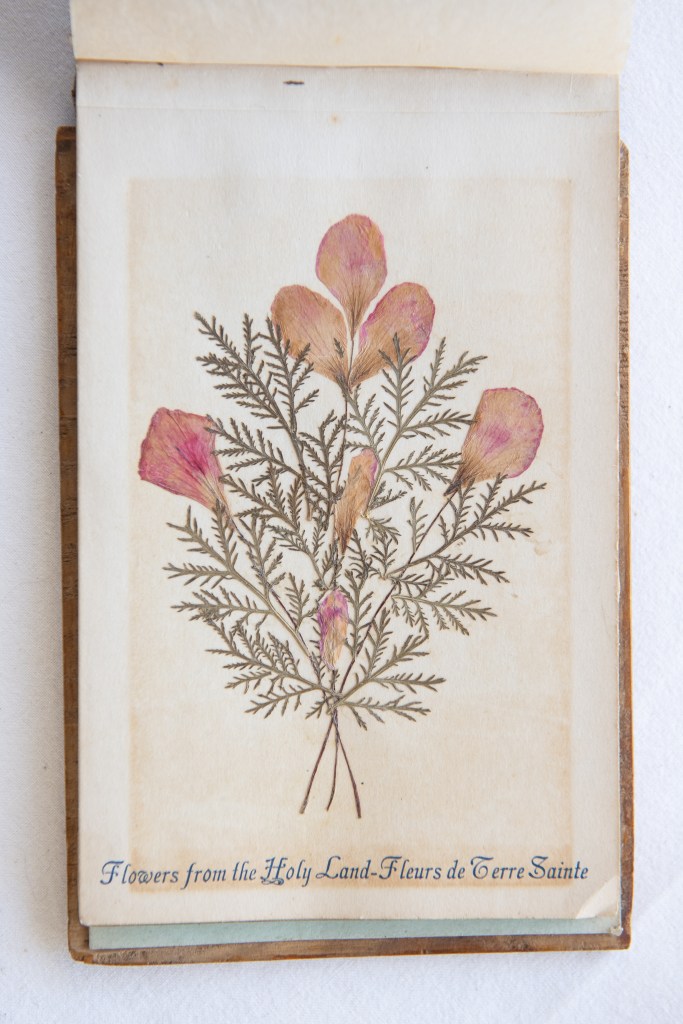
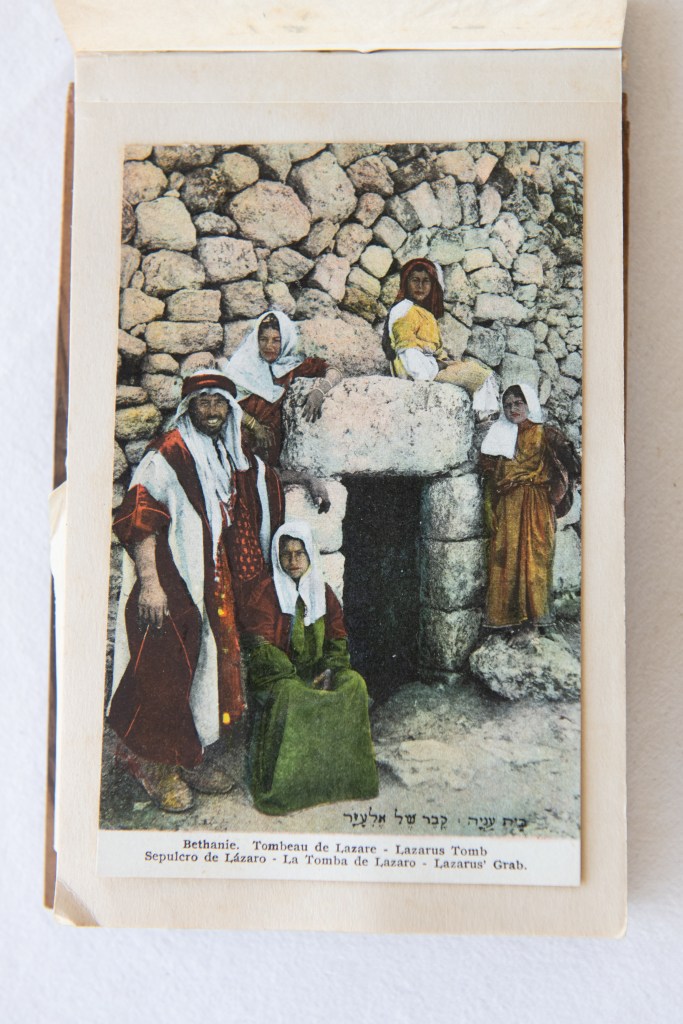
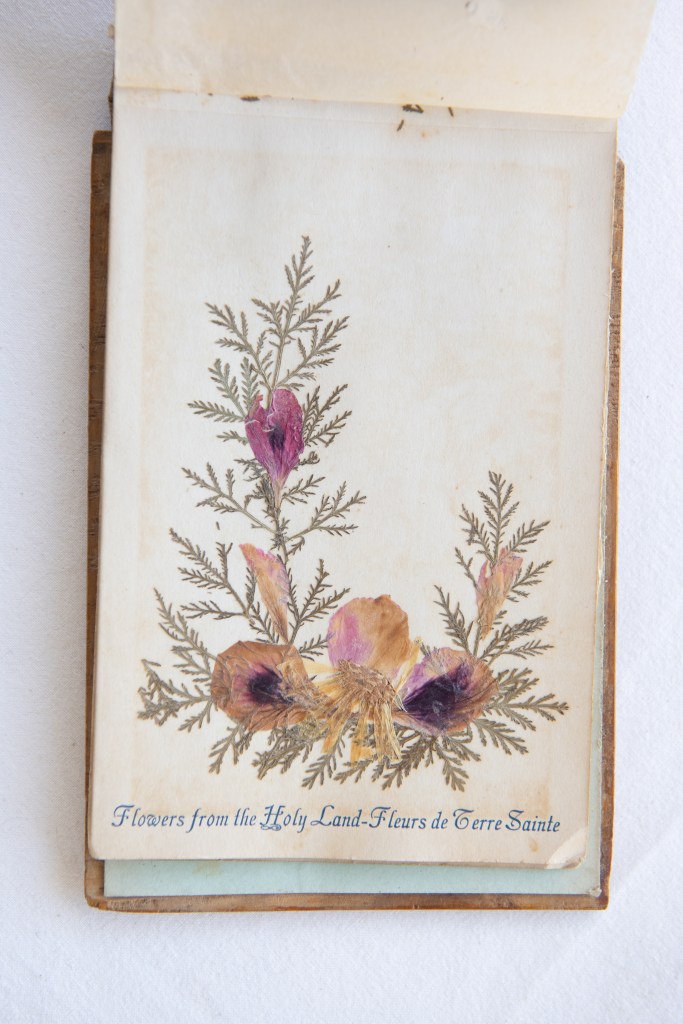
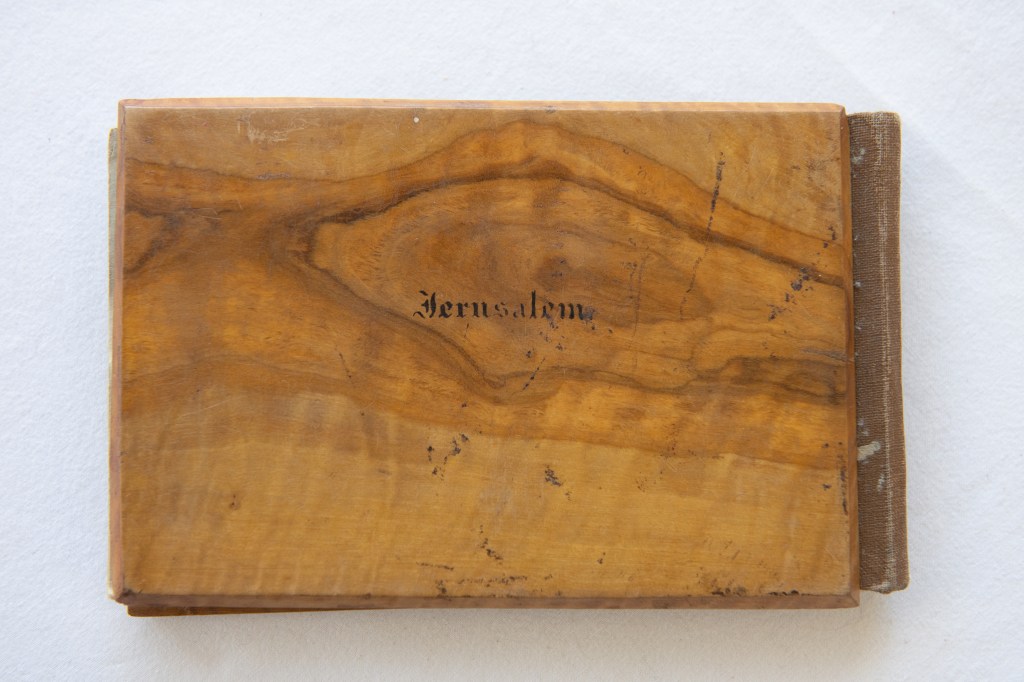
Flowers & Views of the Holy Land was a souvenir my grandfather, Bill, brought back from the Middle East after World War Two. He served in the 2/1st Machine Gun Battalion. The 2/1st suffered heavy losses in Greece and Crete, so in 1941 they retreated to Palestine to rebuild, where they were stationed around Gaza. While Bill was there he acquired this book, and another small photobook featuring photos of Jerusalem.
The battalion was eventually redeployed to Syria for garrison duties, and then called back to Australia when Japan entered the war, before moving on to New Guinea and, finally, Borneo (source: 2/1st Machine Gun Battalion (Australia)).
I recently saw a similar image of pressed flowers on @informedhistory’s Instagram, from a Palestinian souvenir book from the early 1900s, and thought it was worth sharing photos of this copy. They’re beautiful, well-preserved flowers, and the book is an incredibly poignant step back in time.









I came here for a year
This weekend is the 25th anniversary of my arrival in Kalgoorlie.
In July 1998, I packed up my 1979 Land Cruiser with all my important possessions and travelled across to Adelaide with a couple of friends to spend a weekend partying. It was an odd time, tinged with sadness. We got tattoos to cheer ourselves up. On the Sunday afternoon I dropped them at the bus depot for the journey back to Melbourne, and I checked in to a cheap motel in Kent Town where I cried because I didn’t want to go to Western Australia…but I’d finished a geology degree at the end of ’97 and figured it was the best place to go to get a job.
A couple of days later I met up with another friend who was heading back to Perth, and we left town and headed west. We spent the first night in a caravan in Kimba, then made it to Nullarbor Roadhouse. We pitched a tent and then froze our arses off, unprepared for a desert winter.
In the morning – and still freezing – an enthusiastic pilot came over and asked if we wanted a joy flight over the Great Australian Bight. We were like ‘nah, we’re right’ but then he said, ‘it’s half price!’ because he wanted to fill the little four-seater, which was enough to convince me, even though I was pretty broke.
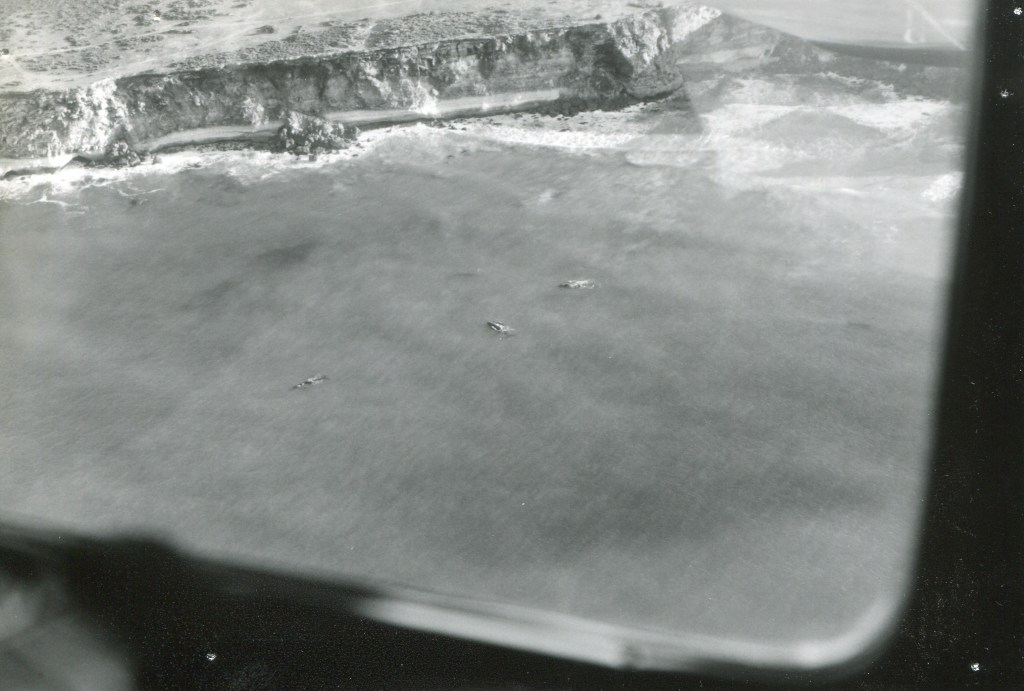
As we taxied down the tiny runway the pilot was wiping the condensation on the windscreen with his hanky, and I wondered if I had made the wrong decision. We took off and you could hear every noise the engine made, and I wondered if it would cut out and we would plummet to the water below. And then he circled around and there they were – southern right whales, heaps of them, even a white calf. They had travelled from the cold Antarctic waters to calve in the Southern Ocean.
I only had black and white film in my camera, but I took a few shots. They were bad. The whales were a tiny speck, dwarfed by the cliffs, but they were whales all the same and somehow that was good enough for me.

It was an uplifting experience to start the day, which ended up being a non-stop Nullarbor odyssey to make it to Kambalda where we thought it would be easy to find another friend we knew and crash for the night. Dear readers, it was not. We did not find our friend, so exhausted and annoyed we checked in for the night at the Kambalda Hotel. You may know it by its alternative name, The Swinging Arms. That was my first night in Western Australia.
The next day we drove into Kalgoorlie. I heard my cousin had recently moved there to run a pub. I hadn’t seen him since we were much younger, but I went into the pub and asked after him, telling the staff his cousin had come to say hello. He came downstairs and looked at me like he’d never seen me in his life, which is fair I suppose. We’d both changed a lot. I told him I was Michael’s daughter and he immediately relaxed, and welcomed me in. We talked in the front bar for a while, and then booked a room for the night before I took my friend on the final leg to Perth. I was originally going to stay in Perth and look for work, but my cousin offered me bar work and I had a lot of experience, and the comfort of being near family made sense to me. And I needed some money.
So I took my friend to Perth, and proceeded to come down with the worst flu of my life. I spent a couple of days wrapped in a sleeping bag in front of the heater in an almost-stranger’s house in East Fremantle, which delayed my return to Kalgoorlie. I was hoping to settle in for a couple of days before my first shift, which I was told would be a busy one. In the end I arrived back in town with barely twenty-four hours to spare. The next afternoon I started work at The Palace Hotel, on a Sunday night as Diggers and Dealers kicked off.
I planned to spend a year in Kalgoorlie, and then move on to something else.
Which brings me to here. The night before another Diggers and Dealers. A quarter of a century, and half my life, later.
It’s been a common thread in a lot of conversations. People coming here for a short time and ending up staying for much longer than anticipated. As someone who’s had a love/hate relationship with this place, I acknowledge that those reasons are varied and not always a case of falling for the joint. And that’s ok.
But I wanted to mark the occasion in a way that’s meaningful and invite people with similar stories to take part in a photography project and talk about their experience, good, bad, or indifferent.
I have no idea what the final product will look like, but you will get some nice portraits out of it. I’m thinking of using a couple of beautiful old medium format cameras, too.
If you’re keen to take part, send me an email or message me via Instagram (@meldrummo) and I’ll work out a schedule. This will be long form, documentary type work, so there’s no rush.
email – hello (at) melissadrummond.com.au
Open Borders: Erosion
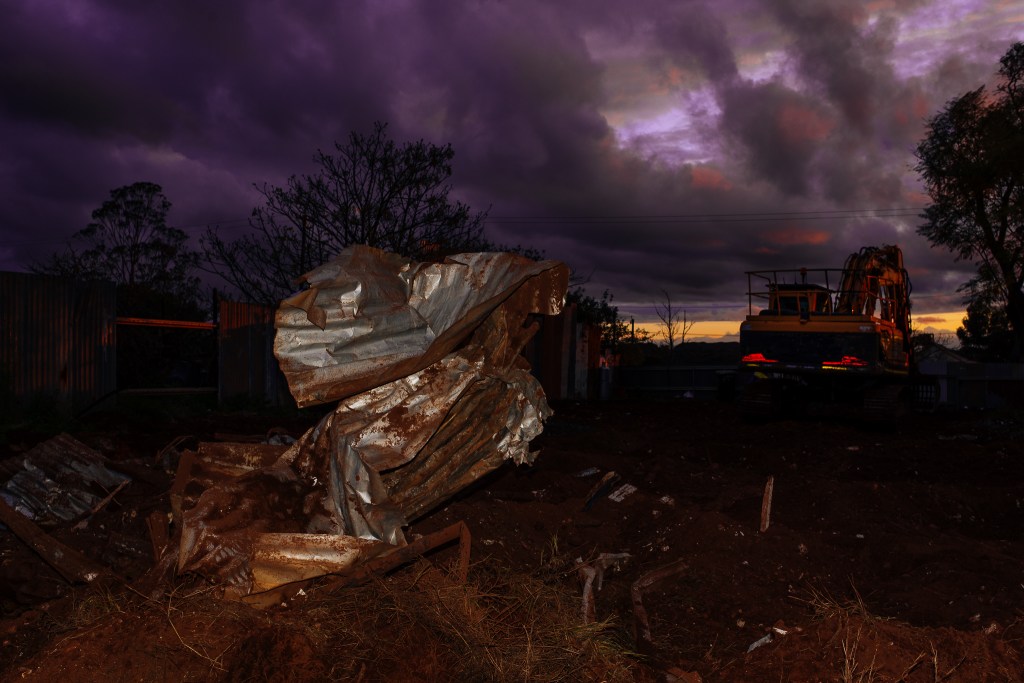
This year I was invited to take part in the Open Borders project, one of the personal highlights of 2022. The Kalgoorlie-Boulder exhibition opened on December 1st, with the local theme of ‘Erosion’, and featured an eclectic mix of thought-provoking works from Goldfields artists. For anyone unable to visit the exhibition my images and artist statement can be viewed below, as well as a link with more information about the project.

Artist Statement
With a background in earth science, my photography often focuses on a curiosity for the natural world and its intersection with mining. More broadly, themes in my work commonly portray quiet, abandoned and degraded scenes, or suburban and rural built environments, recording the influence and impact of human activity.
Presented with the subject of ‘erosion’ it was difficult to not think of this project from a geological context.
We perceive erosion as a physical mechanism where wind, water and gravity carve out features in the landscape, often forming stunning attractions. Conversely, these forces destroy soil profiles and water catchments, threatening our ability to produce sustenance for all forms of life.
Similarly with borders, we tend to think in terms of lines on a map, physical barriers, or parochial devotion to sporting teams.
Throughout the ‘Open Borders’ process there’s been opportunities to explore these ideas in greater depth, and beyond a physical geology or geographical setting. It has posed particular challenges and questions. How are the concepts connected, and how do we portray them in important and meaningful ways?
For me, it lead to the prevailing thought that – while not to ignore the obvious – borders and erosion are intrinsically linked to destruction and displacement, particularly when it comes to our sense of self and place.
I created these works with those feelings at the centre, and with the intention of encouraging the viewer to consider the imagery in local and global contexts, with contemporary Australian issues at the heart.
“The Open Borders regional events series is a unique initiative of The Creative Grid – a collective of like-minded arts organisations that collaborate on projects seeding, sharing and promoting regional creativity.”
Clouds
Some time-lapse clouds for your Sunday, filmed a few weeks ago.
Clouds from Melissa Drummond on Vimeo.Great Southern


Deviations
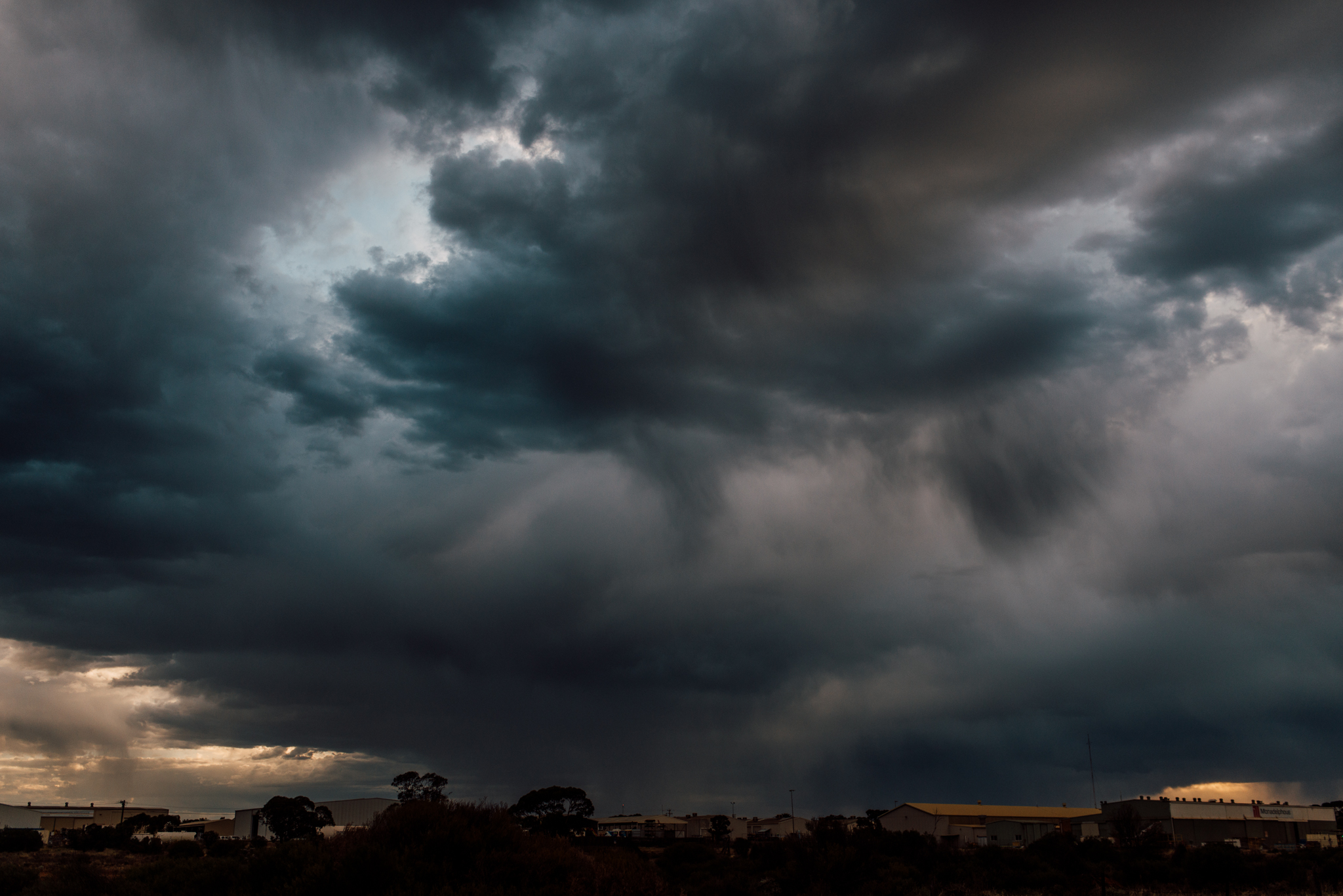
Unsettled conditions in Kalgoorlie-Boulder, as the outback city sweltered through its hottest April day on record (40.1 degrees, 11.04.19)
Not to be outdone by the rest of the planet, Kalgoorlie is about to record not only its hottest December ever (exceeding the long-term December average by 5 degrees), but its hottest month since records began, with a mean daily maximum of 37.2°. The previous record hottest month was 37.0° in February, 2007.
It’s probably no surprise that 2019 is also the hottest year on record for our outback town.
In Kalgoorlie this year, nine out of twelve months have seen above-average maximum temperatures. For eight out of twelve months, the mean minimum temperature has topped the long-term average.
Daily maximum records for Kalgoorlie were broken in February (45.3°), April (40.1°), and November (44.7°), and during November and December we sweltered through new record overnight minimums (26.0° and 29.4° respectively).
2019 saw the hottest September ever, exceeding the previous record mean maximum of 25.5° by 0.6°. At 26.1°, September’s average was 3.8° above the long-term average of 22.3°.
What is particularly concerning is the number of times the 30, 35 and 40 degree thresholds were exceeded throughout the year.
Kalgoorlie averages 99.7 days above 30 degrees each year. In 2019 we recorded 137. We had 73 days above 35 degrees (average is 40.1 days), and 28 days above 40 (average is 8.7).
And that is with an incomplete data set for January because of a balls-up at the local BOM station, that was unfortunately experiencing technical issues when we endured (unofficially) the hottest January day ever, pushing up towards the 47 degree mark.
We’ve recorded 143mm of rain, which is below the 10th percentile. In a town that averages only 266mm a year, this is really depressing.
Having said that, all of these numbers kind of feel a bit sterile and pointless while the east coast havens of my childhood are burning.
Let 2020 be the year Australia starts to take things seriously on climate change.


Limited edition prints for sale

“Gust Front”
Gust Front – February 2017
While large parts of Australia’s eastern states are experiencing record high temperatures and catastrophic bush fire risks, Western Australian rain records have been smashed, causing widespread flooding, damage to property and, tragically, loss of life. As our climate changes, these weather events are predicted to become more frequent and extreme.
Available in two sizes:
1100mm x 800 mm framed ($850) – 1/10 already sold; numbers 2/10-10/10 available
800mm x 600mm framed ($450) – 1/10 already sold; numbers 2/10-10/10 available
“Down Draft”
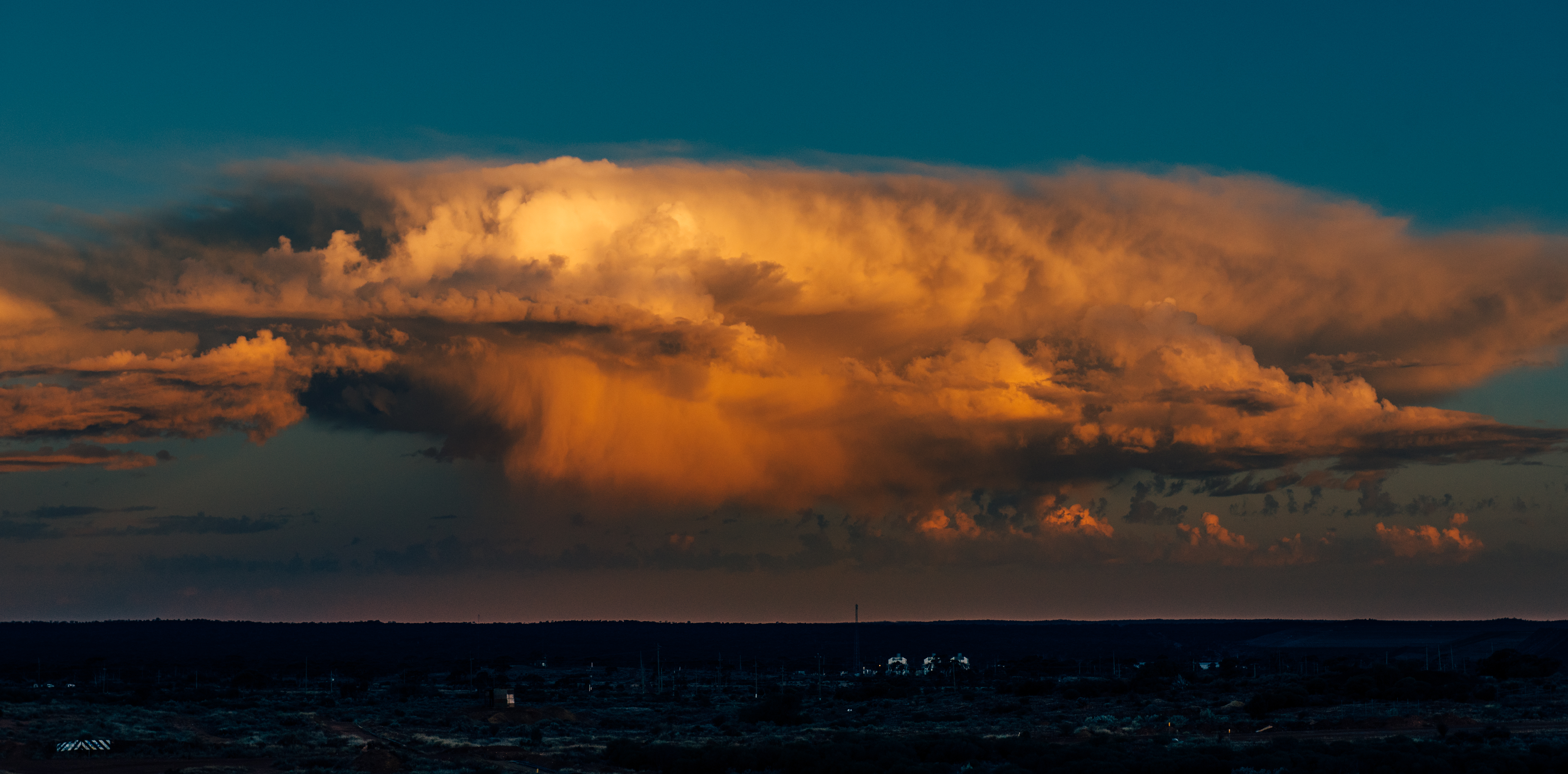
Down Draft – November 2017
A storm cell passes to the south east at the end of a day that saw the outback city of Kalgoorlie-Boulder hit by a severe front with winds topping 100km/h, causing widespread damage and leaving 16,000 residents without power.
1100mm x 550mm framed ($850) – 1/10 already sold; numbers 2/10-10/10 available
Photos are printed on Hahnemühle fine art archival paper.
Email hello@melissadrummond.com.au to order or inquire about postage rates.
That Time of Year
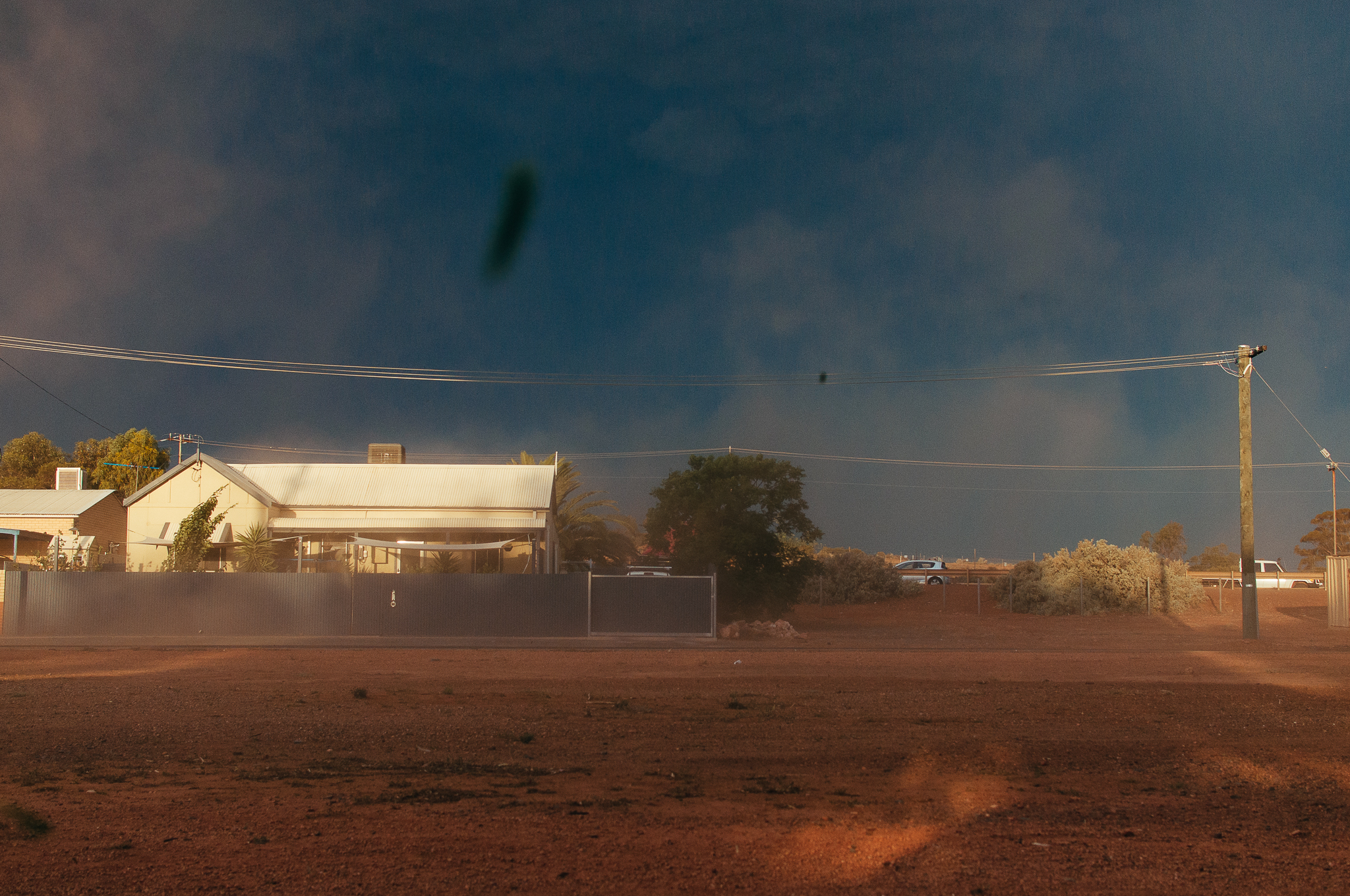
These photos were taken in November last year – I was going to post them at the time, but upload speeds were non-existent for about a week after the storm because of our shitty, old network that relies on copper wiring, so I shelved the idea. From memory it was the first storm of the season, when the desert is parched from a long, dry Winter, and a dust storm whips up before we’re pelted with rain. The light, just before everything turns mad and dark, is amazing.



 melissadrummond